¶ HF (hydrofluoric acid)
| Synonyms | HF, hydrofluoric acid, fluohydric acid, fluoric acid |
|---|---|
| Uses | Selective etchant for Si, SiOx, quartz, glass |
| Hazards |
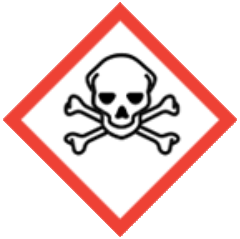
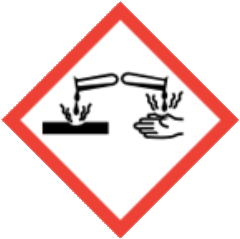
|
| Type of waste | 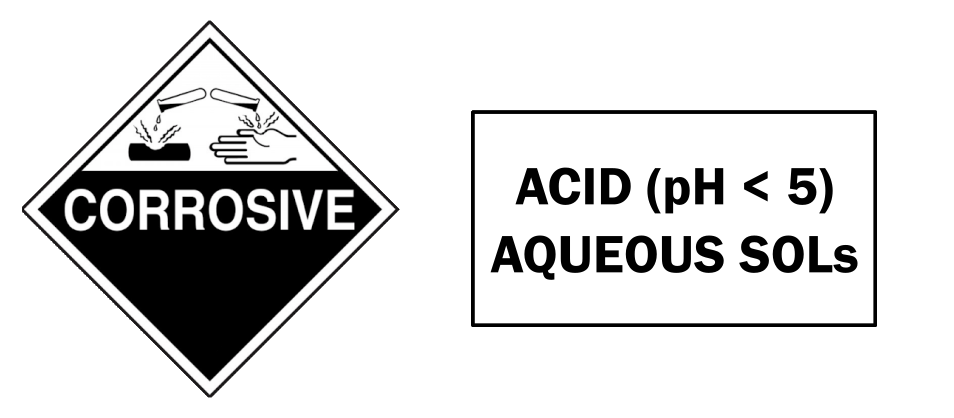 |
| MSDS links | Fisher, Sigma-Aldrich |
¶ HF (hydrofluoric acid)
People are only allowed to use this chemical if they have had a training specifically for this chemical!
Hydrofluoric acid is a solution of hydrogen fluoride in demiwater (HF + H2O ⇌ F- + H3O+). These solutions are colorless, acidic and highly corrosive. It is mainly used for selectively etching glass, quartz and native oxides on silicon wafers, or to clean TiO2 substrates, where it is typically used in a buffered oxide etch (BOE) because of its good process control regarding the etch rate.
¶ Inhalation
Anhydrous HF boils at room temperature and aqueous HF releases fumes that can lead to inhalational exposure if not used in a fume hood. Its vapors, besides having a halogen-like pungent, acrid and biting odor, are extremely dangerous to inhale, causing severe harm before the smell becomes obvious (due to olfactory fatigue): if you smell HF in a laboratory setting, immediately stop working, vacate the area, call the emergency number and inform the technicians and floor manager.
Inhalation can cause a.o. fever, chills, bronchial obstruction, hemorrhagic pulmonary edema, cyanosis, wheezing
¶ Contact exposure
Due to its corrosive and lipophillic nature, if HF gets into contact with the skin, it penetrates into the body, entering the bloodstream and releasing highly reactive fluoride ions into the cardiovascular system that strongly bind to calcium (i.e. bones), where they dissociate, causing a.o. hypocalcemia, neuron depolarization, neuromuscular irritability, tetanic seizures, liquefactive necrosis (liquified brain tissue) and/or death.
Even burns covering a small surface area can be fatal, e.g. circular area with ~2 cm diameter (roughly a €1 coin) have a 99% change of being fatal. Always call the poison center (LUMC) upon an exposure to HF.
Because of its life-threatening and acute systemic neurotoxic hazards, people are only allowed to use this chemical if they have had a training specifically for this chemical. People are only allowed to work with HF with a buddy that is either in the same lab, but at least on the same floor while regularly checking in. If someone else in the cleanroom is using HF, people are still allowed to come into the cleanroom (if they feel comfortable), but they are not allowed to use the wet bench and by extension not allowed to use chemicals.
If someone (thinks) they have had spilled HF on the skin or in the eye, there is the anti-HF kit in the cleanroom in which calcium gluconate gel can be found which has to be applied with the thick gloves present, and a specifical neutralizing eye wash.
¶ Exposure to the skin
Calcium gluconate gel turns the fluoride ions into an insoluble salt, preventing further absorption. This reduces the amount of tissue destruction and systemic toxicity. It is reasonable to initially apply the gel to affected areas every 30 minutes. Once pain is controlled, the frequency can be reduced to every 4 hours. Consider filling an examination glove with gel to treat hand burns. Commercially-prepared calcium gluconate gels are available.[1] Resolution of pain is a good indicator of treatment efficacy, however, in all cases of exposure to HF, a poison center (the LUMC) should be notified as soon as possible.
¶ Exposure to the eye
Upon ocular exposure, an eye wash is immediate priority, preferably the neutralizing eye wash from the anti-HF kit. Remove contact lenses, if present, after brief irrigation and continue. HF rapidly penetrates into the anterior chamber, which means that ophthalmologists (link to LUMC) must be consulted for ocular exposures.