¶ PMMA
| Synonyms | PMMA, P(MMA), poly(methyl methacrylate), acrylic, Plexiglass® |
|---|---|
| Uses | Alternative for glass, positive-tone e-beam resist |
| Hazards | N/A |
| Type of waste | 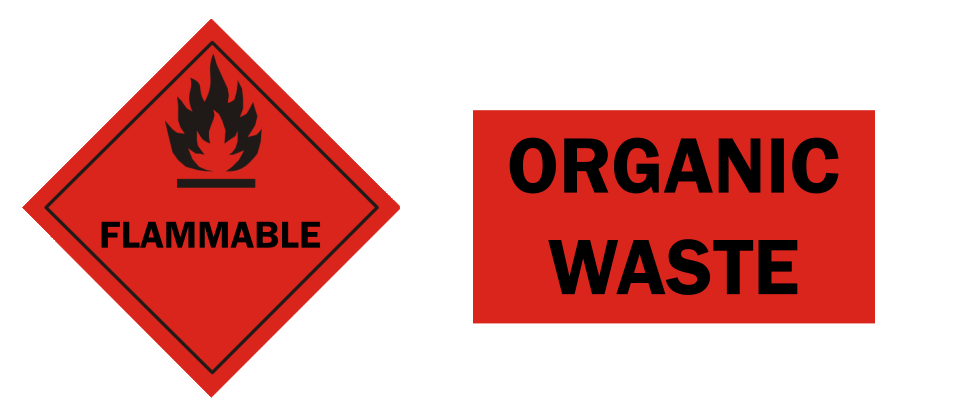 |
| MSDS links | Chemos GmbH & Co., Fisher |
¶ PMMA
Besides PMMA being used as a strong and lightweight polymeric alternative to glass (Plexiglass®) it is a cornerstone material in nanofabrication, since it is a high-resolution positive e-beam resist. When applied on a substrate using spin coating, the PMMA is dissolved (typically by anisole).
PMMA is a chain of methyl methacrylates of a certain length. The molar mass is typically denoted with a number (e.g. PMMA 950k), which indirectly indicates the polymer chain length. The molar mass influences the sensitivity to electron exposure. We have several types of PMMAs in the cleanroom to be able to make a bilayer of PMMA such that after exposure we can create an undercut (or 'overhang'), which prevents the formation of ears during a lift-off proces.
Note that PMMA can also be dissolved by acetone, which means that you should not use acetone to clean Plexiglass®!
¶ Positive resists
¶ AR-P 642.06 (PMMA 200k in anisole)
- Spin @ 4000 rpm (thickness of 0.2um)
- Bake @ T=150 °C; 3 min
¶ AR-P 662.04 (PMMA 600k in anisole)
- Spin @ 4000 rpm (thickness 0.2um um)
- Bake @ T=150 °C; 3 min
¶ AR-P 662.06 (PMMA 600k in anisole)
- Spin @ 4000 rpm (thickness 0.4 um)
- Bake @ T=150ºC; 3 min
- EBL: 30kV, 180 µC/cm²
- Develop MIBK/IPA (1:3); 30 sec
- Stop IPA; 10 sec
¶ AR-P 672.045 (PMMA 950k in anisole)
- Spin @ 4000rpm
- Bake @ T=180ºC; 2 min or @ T=160ºC; 3 min
- EBL: 30kV, 300 µC/cm²
- Develop MIBK/IPA (1:3); 30s
- Stop IPA; 30s
¶ Negative resists
¶ AR-N 7700.08
- Spin @ 4000rpm
- Bake @ T=85ºC; 1 min
- EBL: 20kV, >24 µC/cm²
- Pre-bake @ T=100ºC; 2 min
- Develop AR 300-47; 30s
- Stop demiwater; 30s